top of page





Revelation of the soul
Appearance, Creation, and the Holy Spirit in the Mishnah of Rabbi Avraham Yitzchak HaCohen Kook
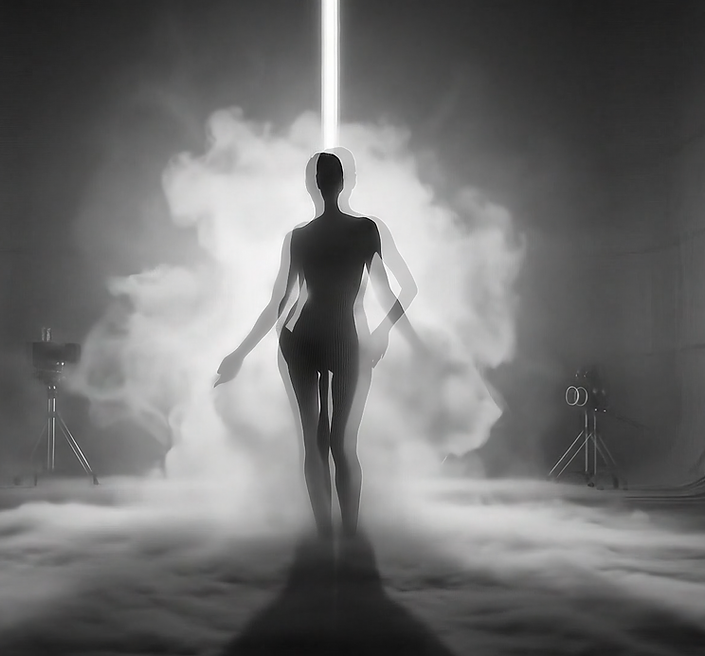
Rav Kook presents a holistic and dynamic vision, in which the 'soul' is not a static entity but an active and creative force, whose ultimate purpose is to reveal its divine light ('appearance'), to sanctify all aspects of reality, and thus prepare the world for a renewed prophetic culture. This process involves a complex relationship between individuality and universality, between reason and imagination, between suffering and joy, and between tradition and personal revelation.
Part I: The Architecture of the Soul (The Essence of the Soul)
The Inner Core: The Soul's 'Selfhood'
At the core of Rabbi Kook's concept of the soul is 'selfhood' (Atzmiut) – its deepest layer, its unique, divine essence, which cannot be duplicated.
Selfhood is the source of authenticity and the creative power of the soul.
Rabbi Kook emphasizes that the hidden enlightenment is unique to each person and is linked to his or her self, which “is not duplicated, in any way, and is not conveyed in any way or explanation.” This assertion establishes the radical individuality of the soul.
The ultimate goal of the wisdom of the subtle ones is to develop the power of the soul to the point of its ability to "draw from its source, without any need for intermediate apprenticeship," which emphasizes selfhood as the direct connection to the divine.
The idea that every righteous person has a "heaven of their own" is a direct result of this unique selfhood; each soul experiences divinity in a way that is exclusive to it.
Rabbi Kook's conception of self is not purely psychological, but metaphysical. It assumes that individuality is not a limitation but a fundamental mode of divine expression.
The perfection of the universe is not achieved through uniformity, but through the full and unlimited expression of each soul's unique "character" or "sign" in the divine text.
The writings state that every external influence "involves a foreign element in the essence" of the soul, and that the perfection of the world depends on the "negation of foreign influence." It follows that the ultimate state of being is a state of pure, unadulterated self-expression of every soul.

Layers of consciousness: mind, spirit, soul
The soul is not monolithic but a multi-layered structure that includes the ' Nefesh' (the vital-psychological soul), the ' Ruh ' and the ' Neshama ' (the higher soul), each of which has separate functions and origins.
Rabbi Uri Sharki, based on Rabbi Chaim of Volozhin, provides a seminal analogy: The glassblower. The 'soul' is the breath in the mouth of the craftsman ( the divine source) ; the 'spirit' is the breath that passes through the tube ( the dynamic, connecting spirit) ; and the 'soul' is the breath as it settles and creates the vessel ( the embodied, psychophysical self) .
The 'soul' is identified with the body: "Body and soul are one," and it represents the stable and immanent aspect of our being. The 'spirit' is the unstable and aspiring element, which connects the immanent soul to the transcendent soul, and is the source of inspiration and spiritual movement. The 'soul' itself is the divine essence, "the breath of His mouth, blessed be He," which does not fully enter the body but "overlaps with it," and only its illumination affects the person.

The individual soul and the world soul
The individual soul is a microcosm deeply connected to the macrocosm – the general soul of the Knesset of Israel, humanity and all of existence. The spiritual progress of the individual directly affects the whole.
The ascension of a single individual, through the pursuit of higher thoughts and feelings, elevates the entire world. A soul that has reached its perfection becomes "the foundation and root of many souls," and an abundance of life flows through it to others.
The inner realizations that arise in the hearts of the "righteous of the generations" elevate their souls, and in their ascension the inner light of all souls increases, thanks to the "soul connection of all Israel." This process is enhanced by love, trust, and devotion, but it also occurs automatically through the root connection.
Rabbi Kook's model of spiritual influence is not linear but operates as a network. The "righteous" are not just teachers, but nodes in a spiritual network that increase the overall "bandwidth" of divine abundance for all.
Their inner work creates a "ripple effect" that raises the spiritual potential of the entire system, even for those who are unaware of the source.
The use of phrases like "in the genizah" and "pipelines" indicates a system of interconnectedness, not just hierarchical guidance. The fact that this happens "whether you feel it... or not" confirms that this is a structural, systemic effect, not just a psychological one.
Hence, the primary role of the spiritual elite is not didactic but ontological: they change the spiritual fabric of reality itself, making a higher consciousness accessible to all.
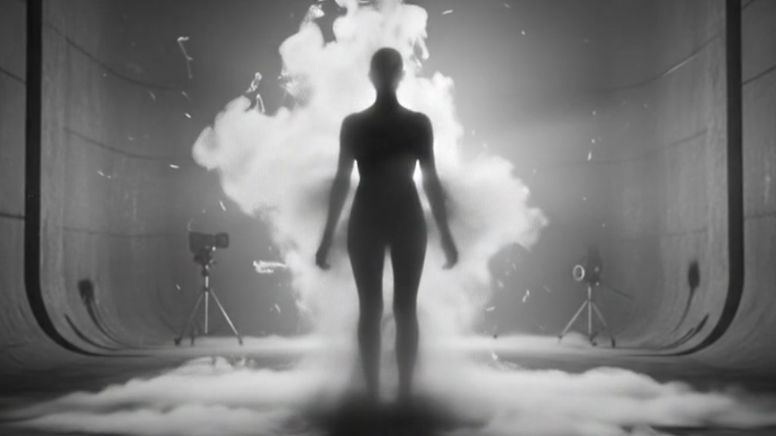
The Dynamics of Revelation (Disclosure and Appearance)
This section moves from a description of the static nature of the soul to the process of its dynamic revelation, culminating in the state of the Holy Spirit.
Revealing inner knowings
The soul possesses inner divine knowledge. Revelation is a process by which this knowledge rises from power to action, from the invisible to consciousness, a process that requires purification.
The process begins when "the path is cleared of obstacles." These obstacles are explicitly defined as "evil thoughts, attitudes, and corrupt actions." After the obstacles are removed, "the soul rises of itself to its highest desire."
This emphasizes that revelation is a natural development, not an external compulsion. The work of purification does not create the light, but only allows it to shine, similar to cleaning a window.
The process is described as "the sun breaking through the clouds," an image that reinforces the idea of light existing from the exposed head.
In Rav Kook's teaching, ethics and epistemology are inextricably linked. One cannot attain higher knowledge without first achieving moral purity.
Truth is not an abstract concept perceived by a detached mind; it is a state of being that can only be grasped through a purified and sanctified consciousness. The sources repeatedly state that the removal of moral and behavioral "obstacles" is a prerequisite for the emergence of inner knowledge.
This creates a clear causal connection: moral action precedes true perception. Thus, the search for truth is not primarily an intellectual exercise, but a moral and spiritual one. A flawed character will inevitably lead to a distorted perception of reality.

The Phenomenology of 'Appearance'
The actual experience of revelation ('appearance') is not described as a continuous stream of information, but rather as a series of sudden, powerful, and discontinuous flashes of insight.
The experience is described as "lightning flashes" that appear and disappear quickly. Rabbi Sharkey links this to Maimonides' famous analogy of lightning on a dark night. These flashes are "overwhelming," and the soul is often "not sufficiently prepared to receive them," leading to "the sorrow of creation."
The goal is to increase the frequency of the flashes until they create a feeling of constant light, even if the underlying reality is still discrete.
This process is not limited to prophets alone, but is a model for all forms of higher insight, from the highest prophecy to the smallest creative innovation.
The Holy Spirit as the culmination of revelation
The Holy Spirit is the pinnacle of revelation, a state in which the soul attains a stable and direct perception of divine truth, combining reason, imagination, and will. It is described as a "spiritual, great, and glorious manifestation" and as the source of "the wisdom of truth."
Rav Kook outlines different levels of the Holy Spirit: of action, of imagination, of intellect, and the highest form that combines all of them.
The Holy Spirit must be connected to the "pure mind of man"; when both work together, the results are properly refined.
The ultimate goal is to hear the voice of God even within one's own rational faculty. The Holy Spirit is the herald of prophecy, which is its most developed and explicit form.
It is possible for a high degree of the Holy Spirit to exist without prophecy, as well as a lower degree of prophecy that is a development of a lesser degree of the Holy Spirit.
הנשמה היוצרת (היצירה הנשמתית)
חלק זה בוחן את תפקידה היצירתי של הנשמה, שהוא התוצאה הטבעית של התגלותה. הוא בוחן את טבעה של יצירה זו, את הכוחות המעורבים בה ואת מטרתה הגאולתית הסופית.
יצירה כזרימה חסרת מאמץ ושמחה
יצירה נשמתית אמיתית אינה מאבק, אלא שפיעה טבעית, שמחה ומתמשכת ממהות הנשמה. תחושת ה"ליאות" או ה"עמל" ביצירה היא תפיסה מוטעית, סימן לכך שהיוצר טרם תפס את טבעו האמיתי של התהליך.
במצבה האידיאלי, היצירה היא חסרת מאמץ, ומדמה את היוצר האנושי לבוראו, אשר ברא ללא יגיעה. הצדיקים "מלאים הם מנוחה ונחת", וכל חייהם הופכים למעשה מתמשך ושמח של עבודת קודש.
הנשמה מתוארת כמעיין נובע תמיד או כגוף מאיר המקרין אור ללא הרף ; תפוקתה היצירתית היא "שטף" תמידי. המקורות מציגים סתירה לכאורה: היצירה היא גם חסרת מאמץ וגם מלווה בייסורים.
פרדוקס זה הוא מרכזי להבנת תהליך היצירה אצל הרב קוק. הפתרון טמון בהבחנה בין מצב מהותה של הנשמה לבין חוויית התגלותה בנפש ובגוף.
ה'נשמה' בליבתה נמצאת במצב של שפע מתמיד, מאושר וחסר מאמץ. זוהי "המנוחה והנחת" של הצדיקים.
"צער היצירה" נוצר במפגש שבין השפע הרוחני האינסופי הזה לבין הכלי הסופי של הנפש והגוף האנושיים. "צער" זה הוא החיכוך של "חורבן עולמות" – מושגים ומבנים רגשיים מוגבלים שנהרסים כדי לפנות מקום להתגלות חדשה וגבוהה יותר.
דרכו הרוחנית של היוצר היא, אם כן, להרחיב ולטהר את הכלי, ליישר קו בין ה'נפש' ל'נשמה', ובכך להפוך את החוויה הסובייקטיבית ממאבק מייסר לזרימה שמחה וחסרת מאמץ.
תחושת העמל היא סימפטום של התנגדות פנימית לאור העצמי של הנשמה.
The dialectic of reason and imagination
The intellect and the imagination are the two main creative forces. The imagination is a powerful and necessary tool for giving form to spiritual truths, but it must be purified and guided by the sacred intellect to prevent distortion and falsehood.
Rabbi Kook criticizes modern culture for being built entirely on the foundation of imagination, which leads to the degeneration of pure reason. However, this overdevelopment of the imagination is seen as a necessary step, a divine plan "to complete the power of the imagination, because it is a healthy basis for the spirit of the Supreme to appear upon it."
Imagination is the "throne" upon which the light of the Supreme Wisdom rests; when guided by reason, it assumes a "sacred form." Without guidance, it becomes a source of falsehood and illusion.
The imagery of the Land of Israel is described as "clear and distinct, clean and pure," and uniquely appropriate for prophecy, while the imagery of the Exile is "murky" and mixed with impurity.

The agony and pleasure of creation
The creative process is paradoxical in nature, encompassing both the pain of breaking old structures and the joy of the birth of new realities.
The “sorrow of creation” is compared to the sorrow of prophecy. It is the pain of “the destruction of worlds” – the shattering of limited mental and emotional frameworks to contain a higher truth.
This pain is immediately accompanied by the “light of eternal existence” – a new and higher reality is born from the ruins of the old.
The creator should not retreat from this pain, but rather embrace it as "the agony of love," knowing that the degree of subsequent pleasure will be directly proportional to the intensity of the initial suffering.

The Redemption of Creation: Towards a Prophetic Culture
Private spiritual creation is not an end in itself, but a means to a broader collective goal: the sanctification of all human culture and the preparation of the world for a renewed prophetic era.
Rabbi Kook foresees a future in which literature and its creators will be sanctified; every writer will feel the need for spiritual purification and repentance before each creation. This process will redeem culture from its current state, in which "the wisdom of writers will be extinguished," and will lead to the birth of new wisdom stemming from "a new song."
The ultimate goal is the return of prophecy, which is seen as the natural result of a complete and sanctified national life in the Land of Israel. The national revival, even in its external and physical aspects, is a harbinger of this spiritual renaissance.

The Epistemology of the Soul: Certainty, Hypothesis, and the Thin Path
This section examines the intellectual and spiritual path required to access and verify the knowledge of the soul, focusing on the role of the hidden wisdom (Razi Torah).
The Necessity of the Hidden (Razi Torah)
In the modern era, which Rav Kook identifies as the "last generation," the thirst of the soul can no longer be satisfied by the visible aspects of the Torah alone. Studying its inner, subtle dimension becomes an existential necessity.
The "last generation" has a spiritual need that cannot be satisfied with "any limited content." It demands access to the "broad, free content" of the secrets of Torah. The stubborn attempt to find all spiritual satisfaction on the "visible side" leads to spiritual depletion, despair, and "emptiness."
Therefore, turning to the occult wisdom is the order of the hour for the survival and spiritual fulfillment of the generation. Rabbi Sharki frames this as a necessary "medicine" for a spiritually sick generation.
From hypothesis to certainty
The spiritual-intellectual journey is a progression from an intuitive hypothesis ('hypothesis') to an unshakable inner certainty ('certainty').
The journey begins with the "hypothesis," which Rabbi Sharki links to the Zohar's commentary on "Known at the Gates." This is the entrance to the higher worlds.
However, pure hypothesis is not enough. It must be anchored in the "certainty" of the 'Kabbalah' (tradition), which is "a pure tradition, from faithful to faithful." The ideal situation is a fusion of the two: when "the hypothetical news ascends... to the height of the supreme divine tradition."
This fusion gives birth to a new spiritual life. This process culminates in a deep inner certainty, which surpasses all knowledge derived from external research. The inner testimony of the soul is the highest proof.
Rabbi Kook resolves the classic tension between tradition and innovation. These are not opposing forces, but partners in a dynamic process of revelation.
Tradition ('Kabbalah') provides the stable and certain foundation, preventing personal intuition from slipping into subjective fantasy.
Innovation ('hypothesis') provides the new life, vitality, and contemporary relevance that prevents tradition from becoming fossilized.
The writings explicitly state that the one who engages in Torah for its own sake becomes “a kind of emanating being” by “connecting these two elements.” This is not a choice between one and the other, but a union.
Thus, a living tradition is one that is continually renewed by the authentic intuitive insights of its believers. Conversely, a valid intuition is one that can find its root and validation within the larger structure of the tradition. This creates a virtuous circle of mutual enrichment.

Summary: The Integrated Vision - A World Illuminated by the Light of the Soul
Rabbi Kook's teaching, as explored through the sources, presents a unified vision of spiritual reality. The journey begins with the recognition of the soul's deep, unique, and divine 'selfness'.
This inner core seeks expression through a process of 'emergence', which requires moral purification to clear the channels for its light.
This revelation manifests as ‘soul creation’ – an effortless and joyful expression, harmoniously combining intellect and imagination. This act of creation, though often experienced as a painful struggle by the finite self, is the engine of personal and collective redemption.
The ultimate goal is the complete integration of the sacred and the profane, in which the inner light of the soul sanctifies every aspect of life – from the actions of the individual to the national culture.
This process, especially powerful in the era of national revival, lays the foundations for a renewed prophetic culture, in which the voice of God is heard not as an external command but as the deepest song of the soul itself.
The entire cosmos is thus seen as a great symphony, waiting for each soul to play its unique and irreplaceable note.
bottom of page